


From sustainable fuels and circular chemistry to fine chemicals and pharmaceutical applications, hydrogenation plays a key role in the development of new and more sustainable processes.
Hydrogenation involves adding hydrogen to a chemical compound. To achieve the desired conversion and product quality, these reactions often take place at elevated pressure and temperature. Consequently, it is not only the chemistry that determines the outcome, but also the way in which the process is technically carried out. Safety and control are essential in this regard.
Hydrogen is a highly flammable gas and must therefore be fed into the reactor in a precise and controlled manner. A stable hydrogen supply contributes to controllable process conditions, reproducible results, and a safe process.
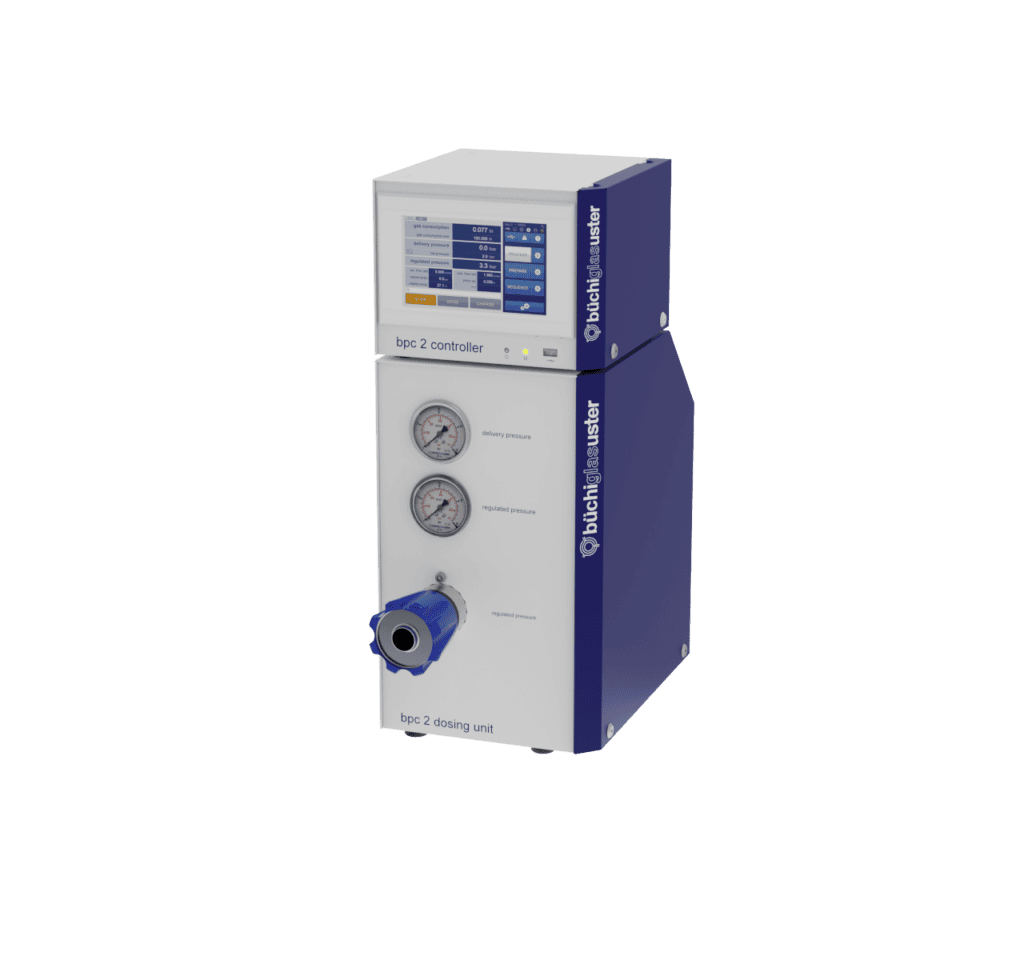
For R&D and pilot-scale applications, the Büchi BPC Unit offers a controlled solution. The BPC regulates the hydrogen supply and enables the gas pressure to be precisely adjusted to the process.
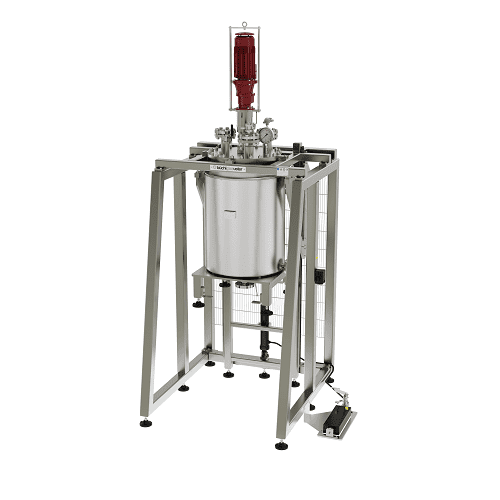
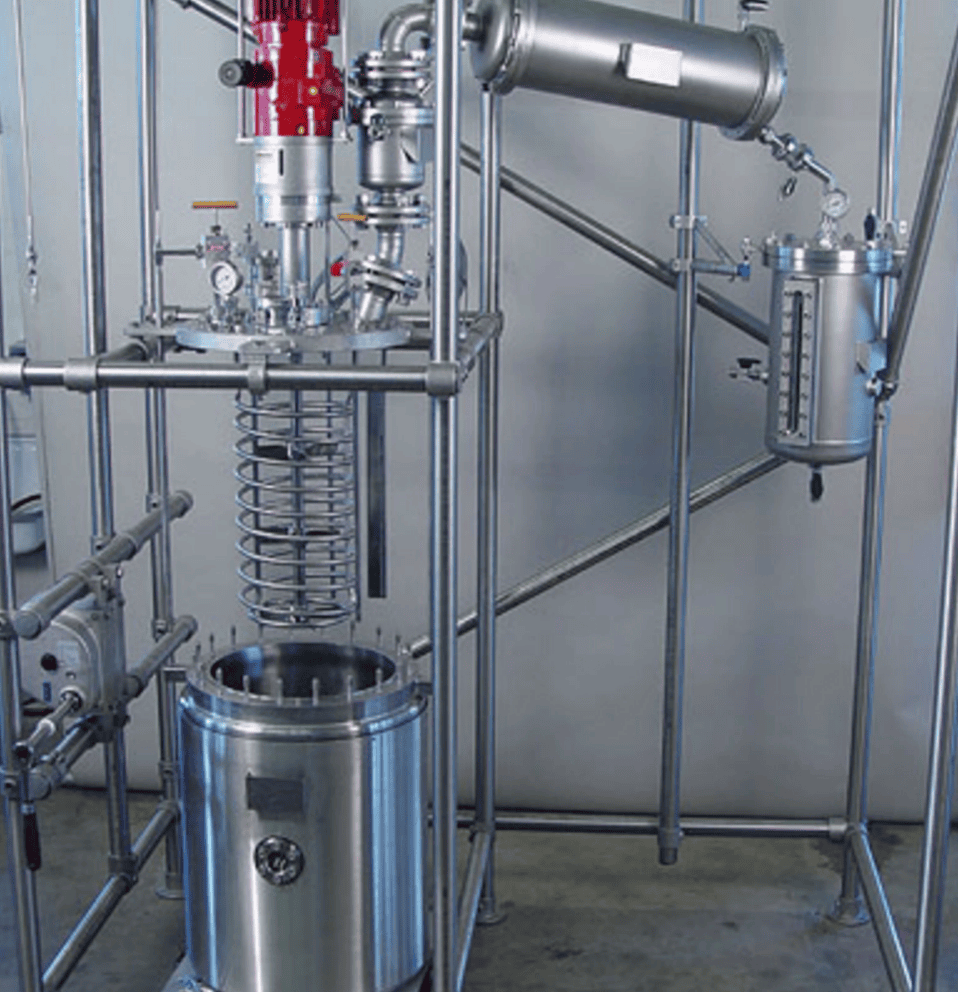
The reactor then forms the heart of the hydrogenation setup. High-pressure reactors are tailored to the specific process conditions, considering factors such as pressure, temperature, choice of materials, heat transfer, and mixing.
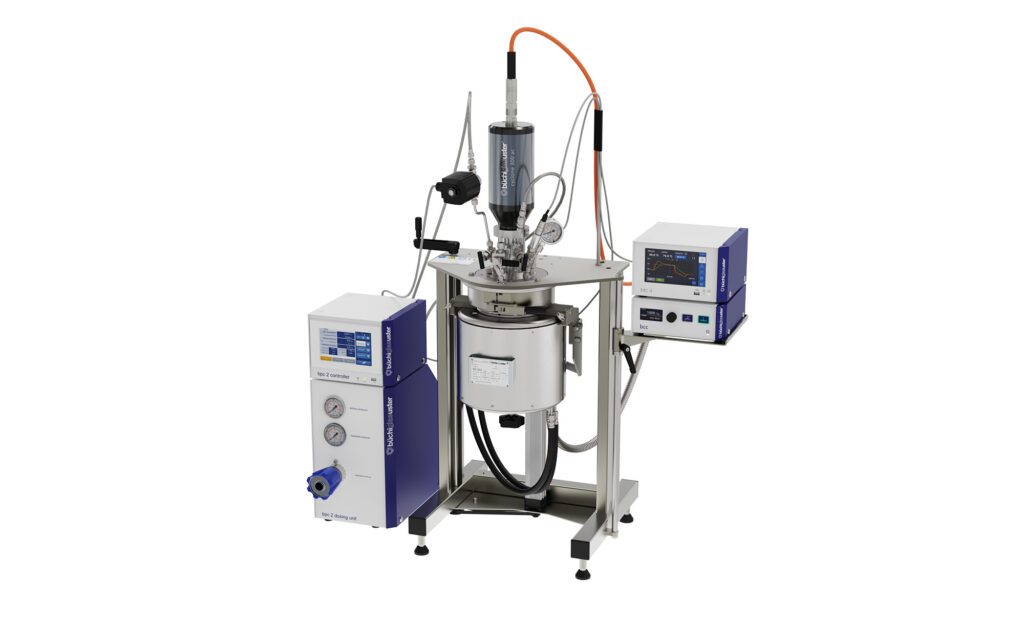
The combination of the Büchi BPC Unit and a high-quality, high-pressure reactor brings together process control and reactor design in a single, comprehensive solution for hydrogenation.
From initial laboratory experiments through to process development and upscaling, a safe and controlled setup forms the basis for reliable results.
Find out more about safe hydrogenation and controlled hydrogen dosing: