


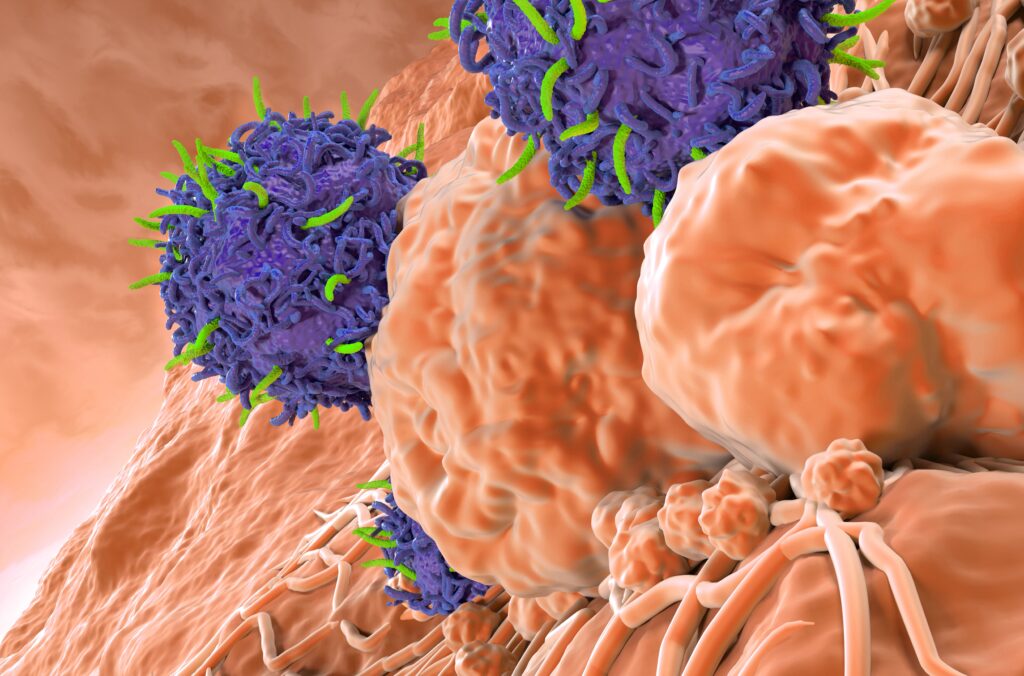
As CAR‑T therapies continue to demonstrate transformative outcomes in hematologic cancers, researchers are increasingly focused on the scientific barriers that have limited their broader application. Creative Biolabs today announced new advancements across several key areas of CAR‑T development, reflecting the field’s shift toward overcoming solid tumor resistance, simplifying manufacturing, and improving long‑term T‑cell function.
Despite the clinical success of CAR‑T in blood cancers, translating these results to solid tumors remains a central challenge. Antigen heterogeneity, stromal density, and a suppressive tumor microenvironment collectively restrict CAR‑T infiltration and persistence. Creative Biolabs has expanded its work in solid tumor CAR‑T development, emphasizing target discovery, microenvironment‑aware CAR design, and functional evaluation in tumor‑mimicking systems.
A senior investigator at a U.S. research institution commented that “the tumor‑mimicking assays provided by Creative Biolabs helped us identify early which constructs were likely to fail in a real solid tumor environment. That kind of predictive resolution is rare and extremely valuable for our pipeline decisions.”
As researchers refine CAR‑T constructs for difficult tumor settings, attention is also turning to the manufacturing model itself. Traditional ex vivo production is resource‑intensive and limits accessibility. To explore alternatives, Creative Biolabs is advancing in vivo CAR‑T engineering, a strategy that delivers genetic instructions directly into T cells within the patient. This work focuses on vector design, targeted delivery, and in vivo functional assessment, supporting investigations into more streamlined and scalable CAR‑T generation.
A third scientific priority centers on the metabolic resilience of CAR‑T cells. Even when CAR‑T cells successfully reach the tumor site, metabolic exhaustion can undermine their persistence and antitumor activity. Creative Biolabs is developing metabolic‑enhanced CAR‑T strategies that modulate mitochondrial function, nutrient utilization, and resistance to suppressive metabolic cues.
A European biotech collaborator noted that “their metabolic profiling data gave us a much clearer picture of why our lead CAR‑T candidate was stalling in late‑stage assays. The ability to dissect metabolic bottlenecks changed how we designed our next iteration.”
These research directions reflect a broader shift in the CAR‑T field—from solving isolated technical problems to addressing the biological foundations that determine therapeutic success. Creative Biolabs continues to support scientists pursuing these next‑generation approaches, contributing tools and expertise that help advance CAR‑T therapy toward more durable and widely applicable cancer treatments.
To learn more, please visit our website.
About Creative Biolabs
Creative Biolabs supports global CAR‑T innovation with advanced platforms for solid tumor targeting, in vivo T‑cell engineering, and metabolic enhancement, enabling researchers to develop more durable and effective cell therapies.
Learn more