



This summer has once again shown us what climate change can bring. Wildfires, floods, extreme heat, and prolonged droughts are becoming increasingly common. According to science, we will have to prepare for increasingly extreme and rapidly changing conditions.
Can our crops withstand rapid temperature fluctuations, drought, high humidity, and changing CO₂ concentrations? Which varieties are the most resilient? And could vertical farming be part of the solution?
Answering these questions requires extensive research. And that brings us to another challenge:
How do you study conditions that are becoming increasingly extreme?
We can extrapolate results from research conducted under standard conditions to more extreme situations. But does that provide sufficient certainty?
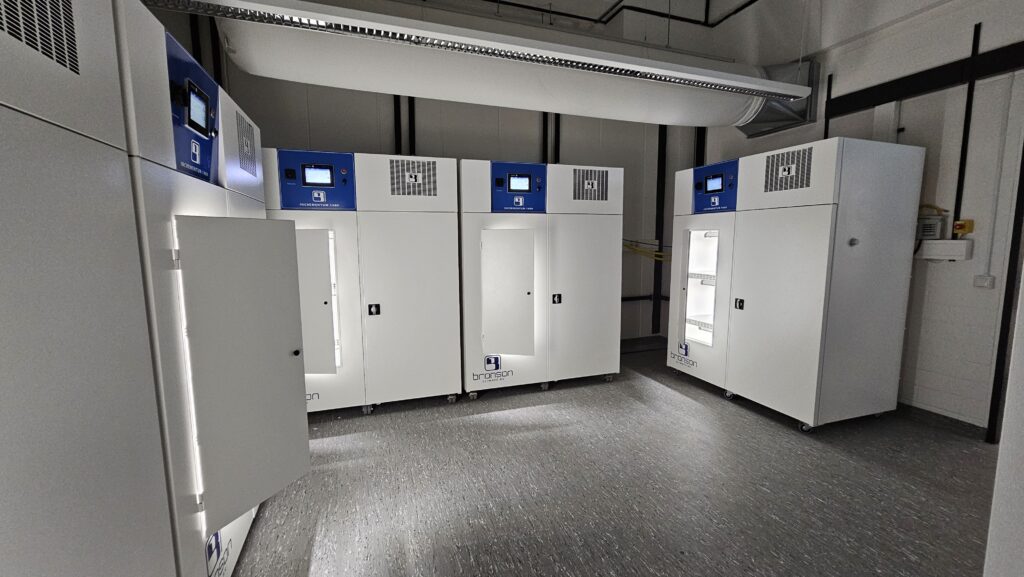
At Bronson Climate, we believe researchers should be able to simulate, control, and measure these conditions as accurately and reproducibly as possible.
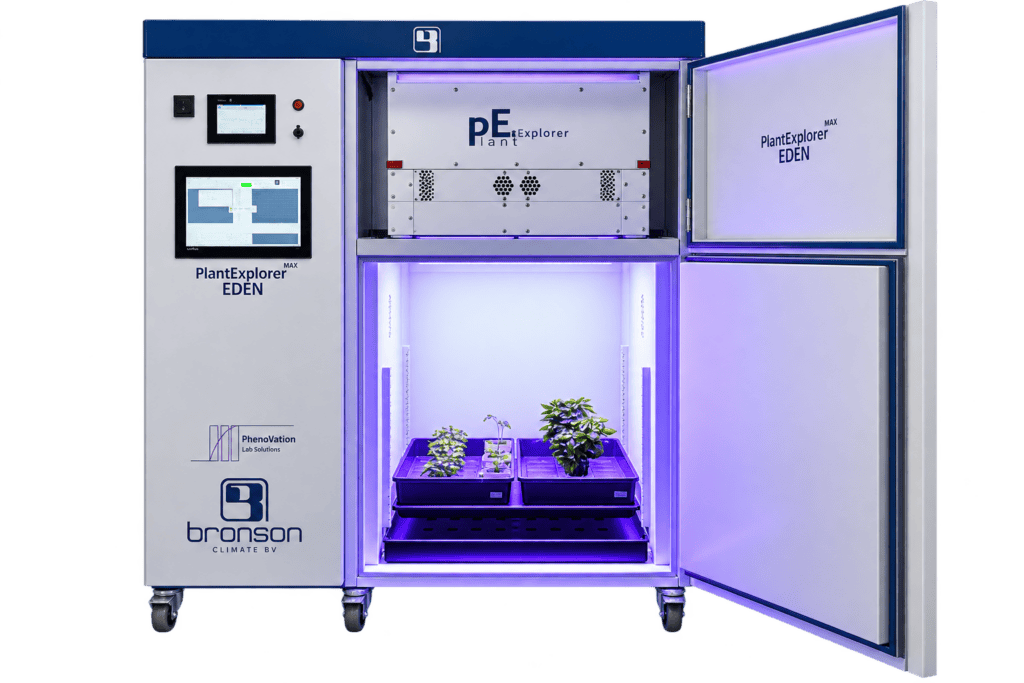
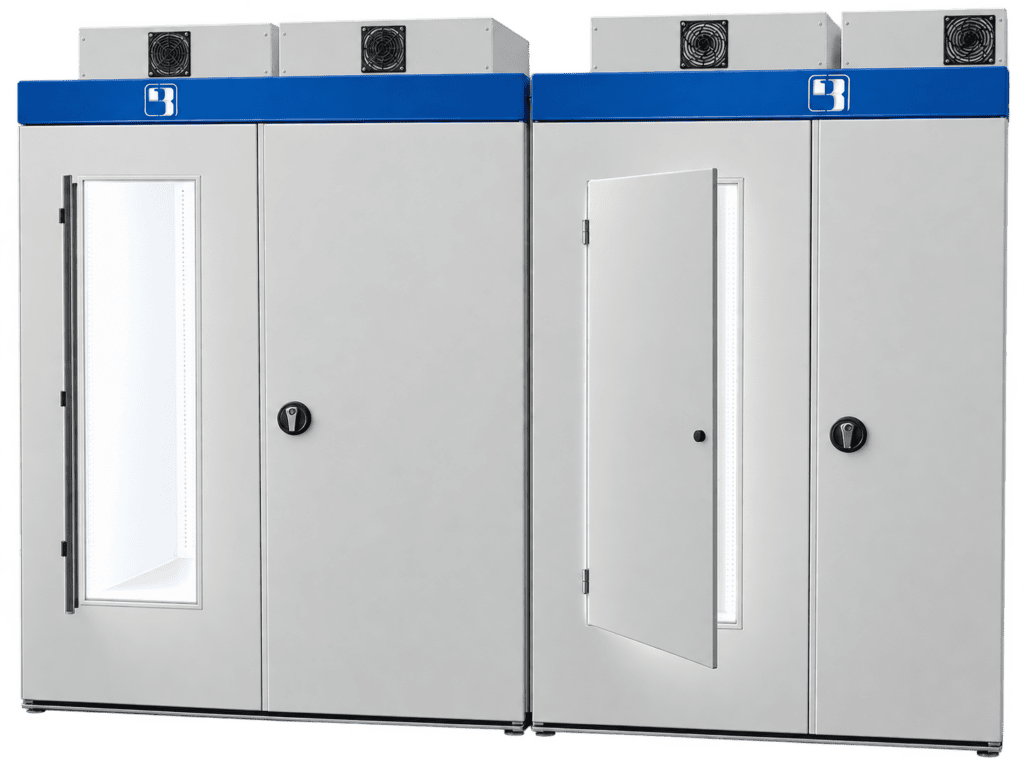
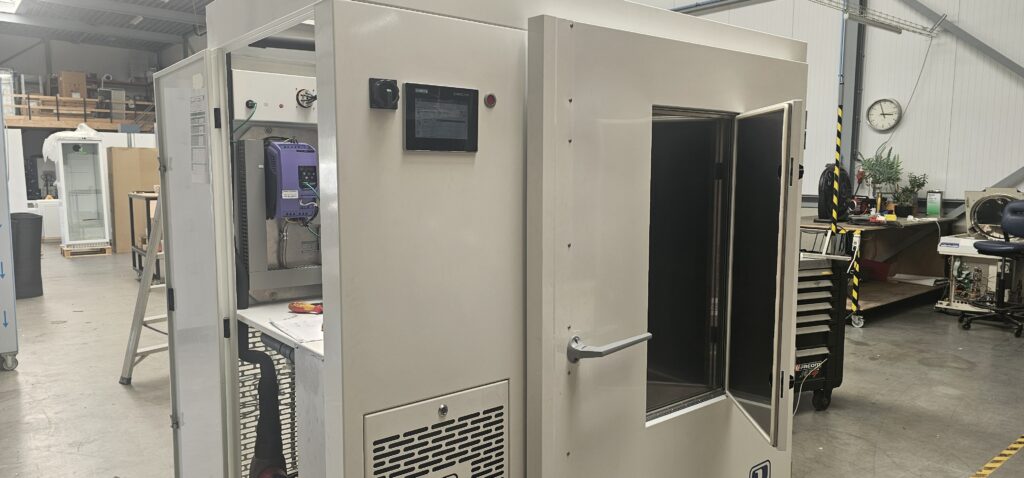
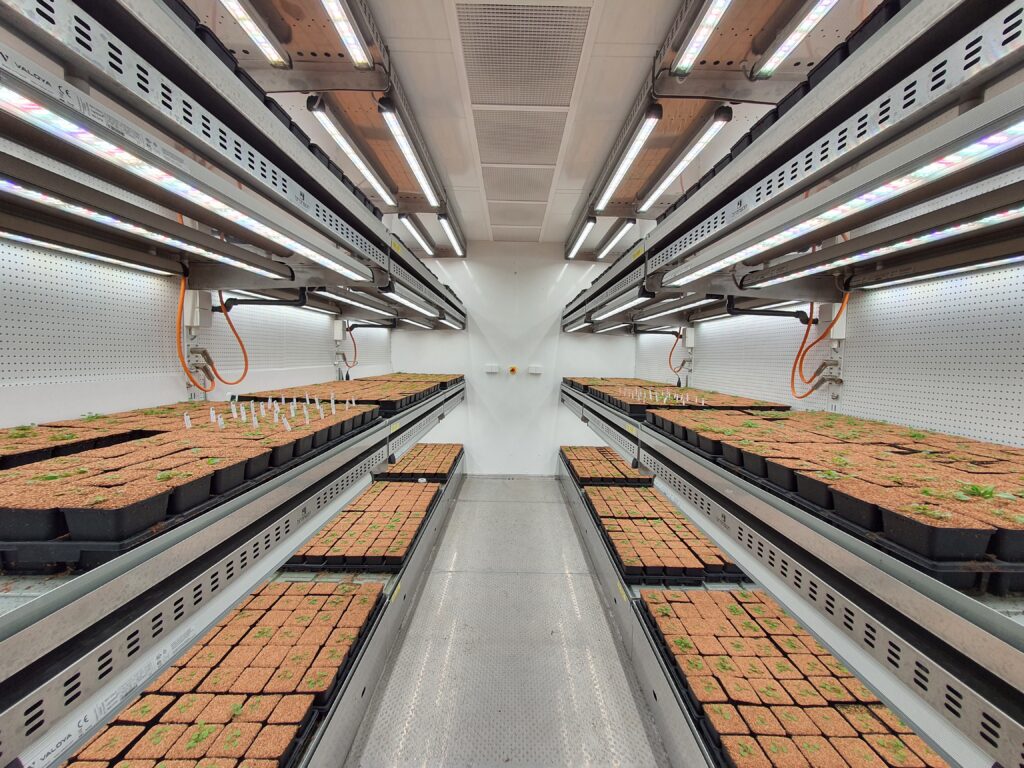
That is why, over the past years, we have specialised in developing plant growth cabinets and climate chambers capable of simulating a wide range of research conditions:
This enables researchers not only to study the climate of today, but also to conduct controlled experiments under the possible conditions of tomorrow.
From 6–10 September 2026, we will be attending the DBG Botany Conference at the university in Bochum, Germany.
For the approximately 500 researchers attending the conference: come and visit our stand to discover what is possible.
Not attending the conference but involved in plant research, climate research, phenotyping, or controlled environment agriculture? You are welcome to get in touch with us. Or visit us at the 2026-WOTS in Utrecht from Tuesday, the 22nd of September, until Friday the 25th of September at our stand (10D065)
Researchers and organisations that want to make a difference need state-of-the-art research tools that allow them to look beyond the conditions of today.
Find out more by contacting our product specialist