



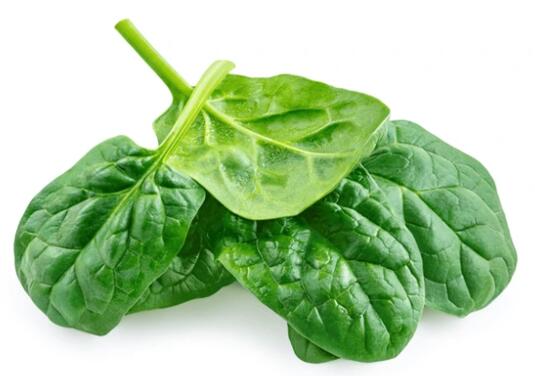
Silica gel chromatography separates spinach pigments by polarity, eluting β-carotene first with petroleum ether, then chlorophyll using acetone-enhanced solvent.
I. Experimental Principle
Plant leaves typically contain various pigments, which can be structurally classified into two main categories: chlorophyll (lipid-soluble porphyrin derivatives) and carotenoids (lipid-soluble terpene derivatives). The main functional pigments in spinach leaves are chlorophyll a, chlorophyll b, and β-carotene, all of which are lipid-soluble and can be efficiently extracted using a petroleum ether-acetone mixed solvent.
This experiment uses normal-phase silica gel column chromatography for separation. Its core principle is based on the polarity difference partitioning mechanism of adsorption chromatography: silica gel is a polar stationary phase, and the eluent is a non-polar/weakly polar mobile phase. The stronger the polarity of a compound, the stronger its adsorption on silica gel and the longer its retention time in the column; the weaker the polarity, the easier it is eluted by the weakly polar eluent and elutes first with the mobile phase.
Therefore, when eluting with pure petroleum ether (a weakly polar eluent), only β-carotene can be eluted. After β-carotene has completely eluted, replacing the eluent with a more polar petroleum ether-acetone mixture enhances the elution capacity of the mobile phase, desorbing and eluting the firmly adsorbed chlorophyll from the silica gel, thus separating the two pigments.
Since chlorophyll a and chlorophyll b differ only in one substituent of the porphyrin ring (chlorophyll a is -CH₃, chlorophyll b is -CHO), their polarity difference is small. Under the elution conditions of this experiment, complete separation could not be achieved, resulting in a mixture of the two.
II. Instruments and Reagents
Instruments: Iron stand, iron frame, glass chromatography column with piston (φ1.4 cm × 20 cm), long dropper, graduated cylinder, beaker, conical flask, glass rod, mortar, and pestle.
Reagents: Silica gel for column chromatography (200-300 mesh, commonly used stationary phase in normal phase chromatography, large specific surface area, stable adsorption performance), sea sand (used to protect the silica gel layer and prevent the silica gel bed from being disturbed during sample loading), petroleum ether (60-90℃, weakly polar organic solvent, used as initial eluent), acetone (AR, polar organic solvent, used to enhance the polarity of the eluent and elute chlorophyll), CaCO₃ (neutralizes organic acids released during spinach grinding, preventing chlorophyll demagnesiation and inactivation), anhydrous Na₂SO₄ (desiccant, removes water from the extract to prevent water from damaging the silica gel adsorption performance), fresh spinach leaves (experimental raw material with high pigment content and excellent extraction efficiency).
III. Experimental Procedure
1. Preparation of Extract
Take 10-15g of fresh spinach leaves, tear them into small pieces to increase the grinding contact area, place them in a mortar, add about 50mL of extraction solution (petroleum ether:acetone = 80:20; this ratio balances pigment lipid solubility and extraction efficiency) and 2-3g of CaCO₃, and grind until the solution turns dark green. During grinding, CaCO₃ neutralizes the organic acids released after plant cell breakage, preventing chlorophyll from undergoing a demagnesiation reaction to form pheophytin (which turns olive green and loses its original biological activity).
Pour the extract into an Erlenmeyer flask, add about 5 g of anhydrous Na₂SO₄, and let it stand for 15 minutes to fully dehydrate. Then carefully pour the extract into a dry Erlenmeyer flask for later use, avoiding introducing the desiccant and impurities from the bottom.
2. Column Packing
Fix the column on the metal stand. Place a small amount of cotton wool at the bottom of the column using a glass rod to support the silica gel and prevent leakage. Close the stopcock at the bottom of the column and use wet packing (wet packing effectively avoids air bubbles in the silica gel, ensuring a uniform and dense column bed, which is key to good separation).
Weigh approximately 10 g of silica gel into a beaker, add approximately 20 mL of petroleum ether, and stir thoroughly to remove air bubbles. Slowly pour the mixture into the column, gently tapping the outer wall of the column with a glass rod as you add it to ensure the silica gel is packed tightly. This is to prevent cracks or breaks in the column bed. Rinse off any silica gel adhering to the inner wall of the column with petroleum ether. Add approximately 1 cm of sea sand to the top of the column to protect the silica gel layer and prevent it from being washed away during sample loading or elution.
Open the stopcock at the bottom of the column to allow the petroleum ether to flow out slowly until the liquid level is level with the surface of the sea sand. Close the stopcock to ensure a stable, bubble-free column bed.
3. Sample Loading
Using a long dropper, slowly add 2 mL of the pigment mixture along the inner wall of the column onto the sea sand, avoiding direct impact on the silica gel layer to prevent unevenness of the column bed. Open the stopcock at the bottom of the column, allowing the liquid level to drop freely until it is level with the silica gel surface, then close the stopcock. Add a small amount of petroleum ether to wash the pigment adsorbed on the sea sand. Open the stopcock again, allowing the liquid level to drop to the silica gel surface, then close the stopcock. Repeat this process several times until all the pigment remaining in the sea sand layer is washed into the silica gel layer, ensuring complete sample entry into the column.
4. Elution
After loading the sample, continue adding petroleum ether to the top of the column. Open the stopcock to control the eluent flow rate (usually 1-2 drops/second; too fast a flow rate will lead to decreased resolution, while too slow a flow rate will cause sample diffusion). Orange-yellow β-carotene, being the least polar, was eluted first and collected in an Erlenmeyer flask. Once β-carotene was completely eluted and no obvious yellow band remained on the column, the petroleum ether level was lowered to be level with the silica gel. Then, a petroleum ether-acetone (7:3) mixture was used for elution. This mixture is more polar and effectively desorbs chlorophyll adsorbed on the silica gel. The eluent with the green band was collected in another Erlenmeyer flask, yielding a mixture of chlorophyll a and chlorophyll b.
IV. Data Recording and Processing
V. Precautions
VI. Theoretical Basis
Conclusion
This experiment successfully demonstrates the separation of spinach leaf pigments using normal-phase silica gel column chromatography. The technique effectively isolates β-carotene from chlorophyll based on polarity differences, with petroleum ether eluting the non-polar β-carotene first, followed by chlorophyll extraction using a petroleum ether-acetone mixture. The method illustrates fundamental adsorption chromatography principles while highlighting the importance of proper column packing, controlled elution rates, and protective measures to maintain chlorophyll stability.
