
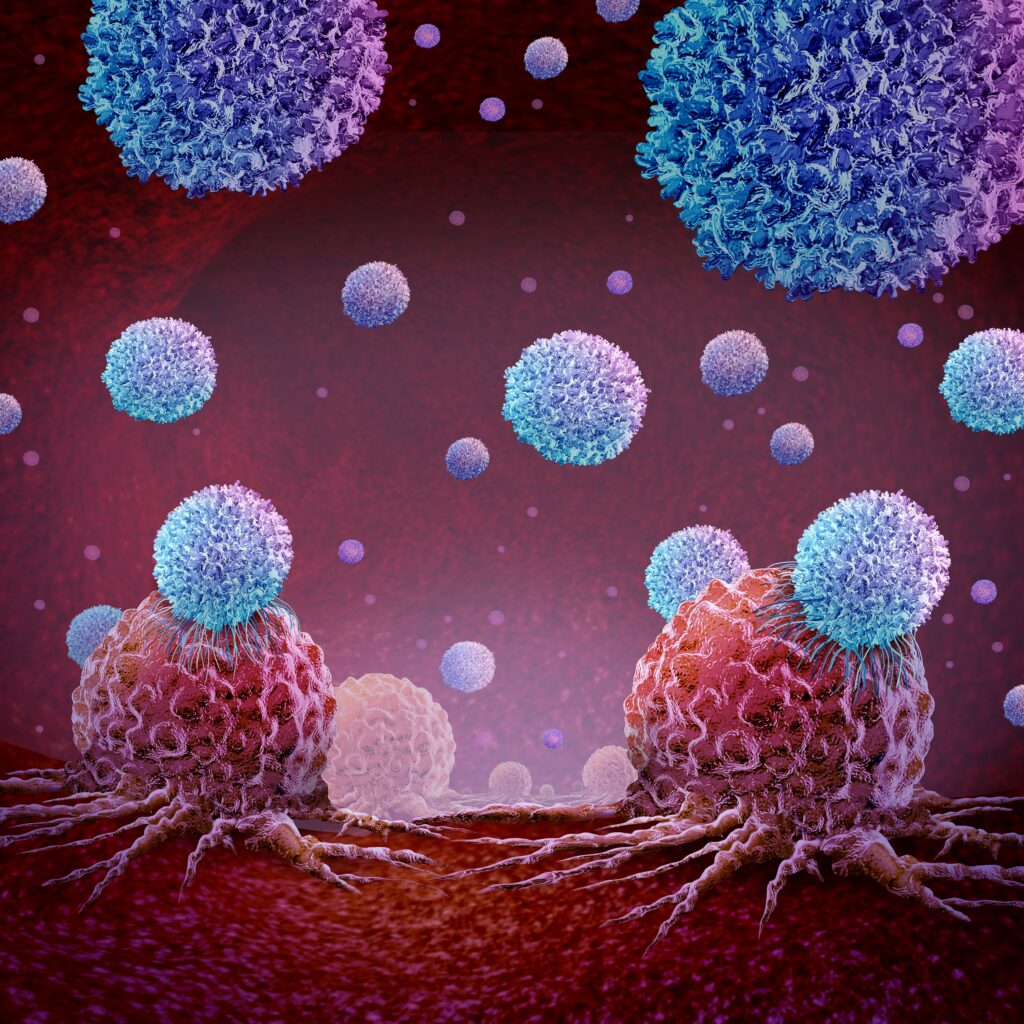
The convergence of neuroscience, immunology, microbiome research, and oncology is reshaping how complex diseases are investigated. Rather than studying individual pathways independently, researchers increasingly rely on integrated analytical strategies that combine molecular profiling, cellular functional assays, and tissue-level characterization to better understand systemic disease biology.
To support these evolving research needs, Creative Biolabs has expanded its integrated assay portfolio for brain-immune-gut axis studies, bringing together multi-omic technologies, functional neuroscience assays, and metabolism-focused analytical capabilities within a unified research workflow.
Accumulating evidence demonstrates that bidirectional communication among the gut microbiota, immune system, and central nervous system contributes to numerous neurological and systemic disorders. Alterations in microbial composition can influence neurotransmitter production, immune signaling, metabolic homeostasis, and neuroinflammation, affecting diseases ranging from Alzheimer’s disease to depression and other neurodegenerative conditions.
Because these biological processes occur across multiple regulatory layers, no single analytical method is sufficient to capture the full complexity of brain-immune-gut interactions. Researchers increasingly combine next-generation sequencing (NGS), neurotransmitter quantification, cytokine profiling, and immune-related gene expression analyses to evaluate microbial composition alongside functional host responses.
Functional validation further extends these molecular findings. Primary CNS cell assays—including microglia, astrocytes, neurons, oligodendrocytes, and blood-brain barrier models—as well as organotypic brain slice assays using rodent and ex vivo human tissues, provide physiologically relevant platforms for investigating neuroinflammation, cellular communication, and therapeutic responses.
Combining these complementary datasets generates a more comprehensive understanding of complex disease biology while improving target validation and biomarker discovery.
Many of the same integrated analytical principles are now being applied to cancer research. Tumor cells continuously remodel their metabolism in response to immune pressure and microenvironmental changes, making metabolic plasticity an important hallmark of cancer progression.
Characterizing these dynamic metabolic adaptations requires analytical approaches capable of measuring both molecular composition and cellular function. Modern workflows increasingly combine single-cell or spatial metabolomics with extracellular flux analysis (EFA) to investigate glycolytic activity, mitochondrial respiration, nutrient utilization, and metabolic heterogeneity within tumor tissues.
By integrating spatial metabolomics with functional metabolic measurements, researchers gain a more complete picture of tumor biology that supports biomarker discovery and therapeutic development in immuno-oncology.
Successful brain-immune-gut axis studies require careful experimental design to ensure data consistency across multiple analytical platforms. Several technical considerations are particularly important:
Addressing these factors helps improve reproducibility and facilitates meaningful biological interpretation of integrated datasets.
“Multi-modal functional assays are becoming increasingly important because complex diseases rarely arise from a single biological pathway,” notes a senior scientist at Creative Biolabs. “Combining molecular profiling with functional cellular and tissue-based analyses enables researchers to better understand how immune regulation, metabolism, and neural signaling interact within dynamic biological systems. Integrated workflows help generate more comprehensive datasets while supporting more robust target validation.”
To support this multidisciplinary approach, Creative Biolabs continues to expand integrated assay capabilities spanning neuroscience, immunology, microbiome research, metabolomics, and functional oncology, enabling researchers to investigate complex disease mechanisms using coordinated analytical strategies.
Researchers interested in integrated assay workflows for brain-immune-gut axis research and tumor metabolism can learn more about available analytical approaches and supporting technologies through Creative Biolabs’ scientific resources.
Explore Creative Biolabs’ Immuno-Oncology Assay Portfolios
Explore Creative Biolabs' Immuno-Oncology Assay Portfolios