



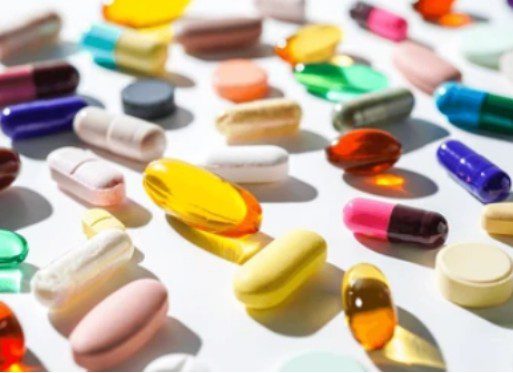
In pharmaceutical development, the active pharmaceutical ingredient (API) is the focal point, as it provides the intended therapeutic effect. However, APIs are rarely administered alone. To deliver a safe, effective, and stable medication, they must be combined with excipients, which are substances that perform crucial supportive roles in drug formulations. Traditionally considered “inactive,” excipients are now recognized as essential functional components that directly affect the performance, manufacturability, and patient acceptability of a drug product.
Enhancing Drug Bioavailability
A major challenge in drug development is improving the solubility and permeability of poorly soluble drugs, particularly those in the Biopharmaceutics Classification System (BCS) Class II and IV. Excipients such as surfactants, solubilizers, and lipid-based carriers are incorporated into formulations to enhance the dissolution rate and systemic absorption of the API. For example, the use of polysorbates or cyclodextrins can form inclusion complexes with APIs, improving their aqueous solubility and oral bioavailability. In oral solid dosage forms, superdisintegrants facilitate the rapid disintegration of tablets upon ingestion, ensuring prompt drug release. In some advanced delivery systems, excipients enable targeted release or enhanced permeability across biological membranes, which is especially important for peptide- or protein-based therapeutics.
Ensuring Stability and Shelf Life
APIs can be susceptible to chemical degradation (such as hydrolysis, oxidation, or photodegradation) and physical instability (like polymorphic changes or aggregation). Excipients play a critical role in preserving the integrity of both the drug substance and the final dosage form. For example, antioxidants such as butylated hydroxytoluene (BHT) can inhibit oxidative degradation, while chelating agents like EDTA prevent metal ion-catalyzed reactions. Buffer systems help maintain pH within an optimal range to prevent degradation, and desiccants control moisture levels in packaging. In parenteral or biologic formulations, stabilizers such as sugars and amino acids help maintain protein structure and function during storage and transport.
Facilitating Manufacturing and Processing
From granulation to compression, excipients play an indispensable role in the manufacturability and scalability of pharmaceutical products. They affect the flow properties, compressibility, and lubrication of powders in solid dosage forms. A formulation that performs well at laboratory scale may face issues during large-scale production if the excipients are not optimized. For example, lubricants prevent sticking of powders to equipment surfaces during compression, while glidants improve flowability in tablet presses. The selection and ratio of excipients directly influence tablet hardness, friability, disintegration time, and dissolution profile. In liquid formulations, excipients stabilize suspensions or emulsions, control viscosity, and ensure homogeneity. Additionally, newer techniques such as hot-melt extrusion and 3D printing require specialized excipients that can withstand thermal or mechanical stress, further expanding the functional demands placed on excipients.
Enabling Modified and Targeted Drug Release
Modern drug delivery systems often aim for controlled, sustained, or targeted release to enhance therapeutic efficacy and reduce dosing frequency. Excipients are key enablers of these technologies. In sustained-release formulations, polymeric matrices, coating materials, and osmotic agents are used to control drug diffusion or dissolution over time. For example, ethylcellulose and Eudragit polymers are commonly employed in coatings that delay or modulate drug release based on environmental pH or time. In site-specific delivery, such as colon-targeted or gastric-retentive systems, excipients help ensure the drug reaches the desired location in the gastrointestinal tract before release occurs. This level of precision helps to improve outcomes and minimize side effects.
Improving Patient Acceptability and Compliance
Patient compliance can be significantly influenced by the sensory and physical characteristics of a dosage form. Excipients improve taste, appearance, and ease of administration—key factors especially in pediatric, geriatric, and chronic care populations. Sweeteners, flavoring agents, and taste-masking excipients help mask unpleasant tastes in oral liquids or chewable tablets. Colorants and film coatings improve the visual appeal and allow for easy identification. Mucoadhesive excipients or orally disintegrating technologies also offer convenience for patients who have difficulty swallowing traditional tablets. By tailoring the user experience through formulation design, excipients indirectly support treatment adherence and thus therapeutic success.
Although considered “inactive,” excipients must be chemically and biologically compatible with APIs and safe for their intended use. Regulatory authorities such as the FDA, EMA, and ICH require thorough documentation of excipient identity, purity, source, and function. Excipients must comply with pharmacopoeial standards (e.g., USP-NF, Ph. EUR) and, if used in novel ways, must be supported by toxicological data. The FDA Inactive Ingredient Database (IID) is often referenced to ensure that an excipient has been previously approved in the same dosage form and route of administration. Moreover, certain excipients may pose risks in specific patient populations. For instance, benzyl alcohol is contraindicated in neonates, and lactose may cause issues in lactose-intolerant individuals. Manufacturers must evaluate patient safety, potential drug-excipient interactions, and source variability during development.
The landscape of excipients is evolving in response to advances in drug development. New trends include:
Excipients are far more than passive ingredients in a drug formulation. They are key enablers of drug efficacy, manufacturability, stability, and patient adherence. As drug molecules become more complex and therapeutic needs more personalized, the role of excipients will only grow in significance. Our company offers a broad portfolio of high-quality pharmaceutical excipients, including binders, disintegrants, stabilizers, solubilizers, and controlled-release agents, designed to meet the demanding needs of modern drug formulation. We support our partners with consistent supply, regulatory documentation, and technical expertise to accelerate formulation development and ensure reliable performance across dosage forms. Please contact us to learn more about how our excipients can support your pharmaceutical innovations.
Featured Excipient Products